Encyclopedia Topic
The Archeological Villages of Al-Khulaf and Al-Khulaif
The Archeological Villages of Al-Khulaf and Al-Khulaif
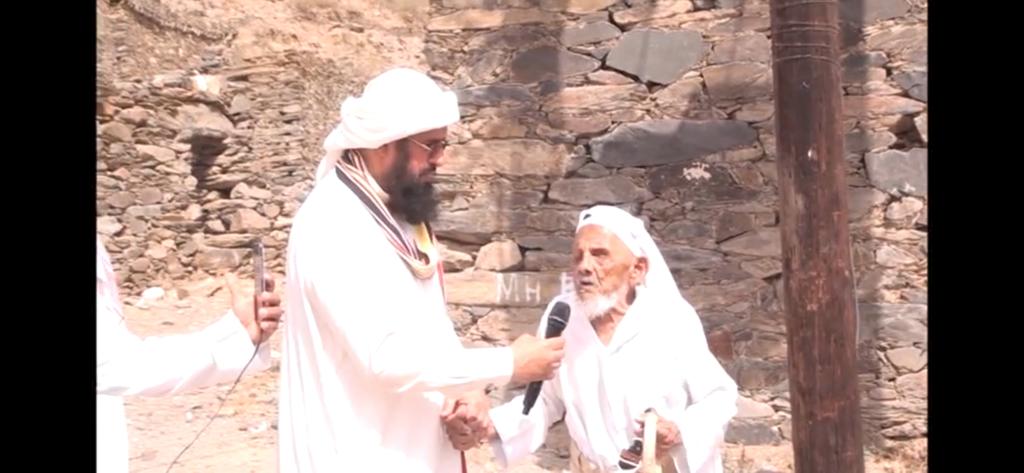
Report on International “Qpedia” Encyclopedia and Al-Saha TV Channel to Al-Khulaf and Al-Khulaif Villages as Part of their Tour to Al-Baha City 10 – 13 Jumada Al-Awwal, 1440 AH The Archeological Villages of Al-Khulaf .....Continue reading
Ready to play audio.

Content
Words: 356
Reading time: 2 min
Reading tools
Report on International “Qpedia” Encyclopedia and Al-Saha TV Channel to Al-Khulaf and Al-Khulaif Villages as Part of their Tour to Al-Baha City
10 – 13 Jumada Al-Awwal, 1440 AH
The Archeological Villages of Al-Khulaf and Al-Khulaif
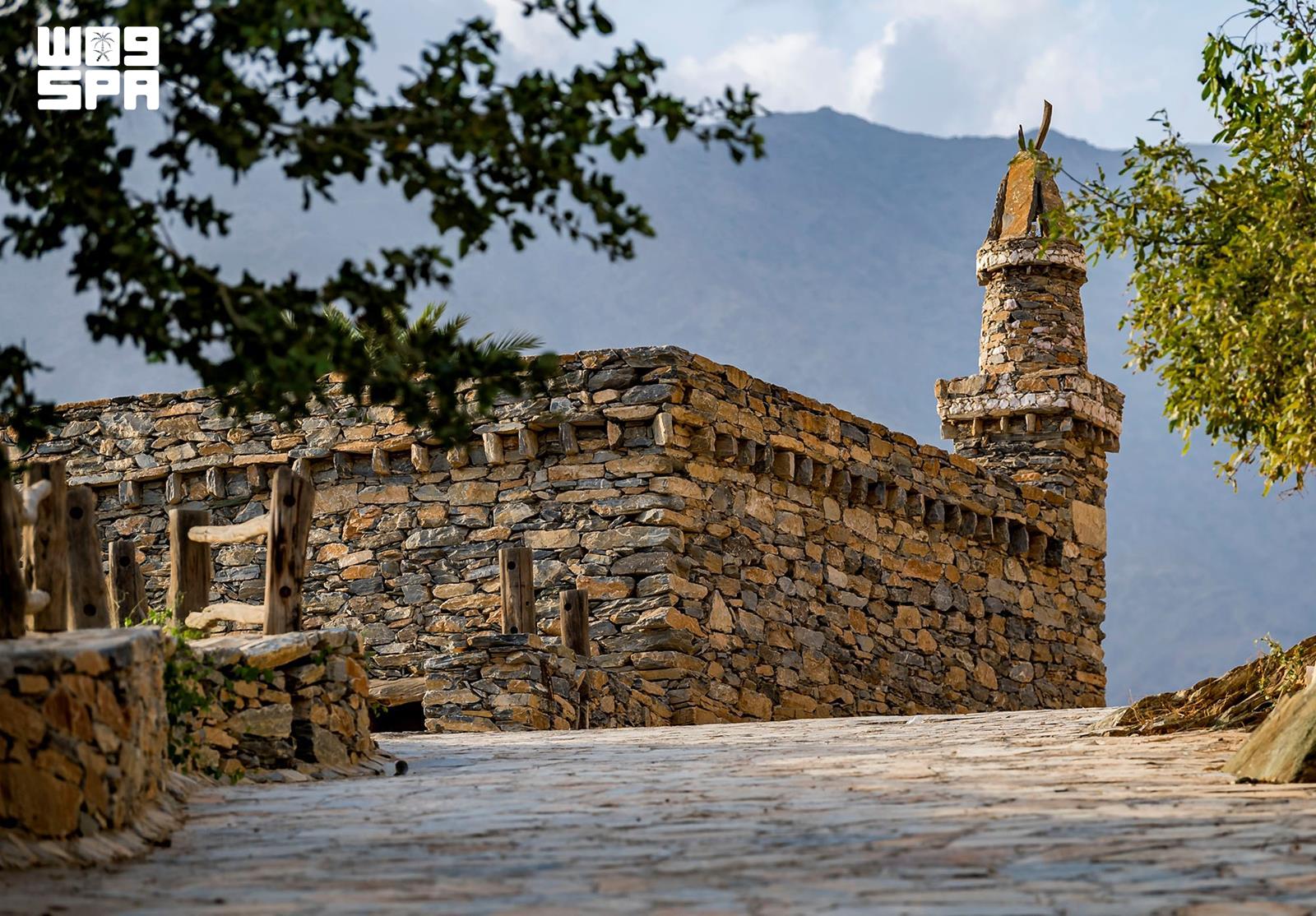
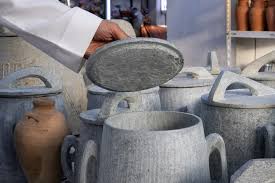
Qilwah governate in Al-Baha constitutes two of the most ancient archeological villages in the region; Al-Khulaf and Al-Khulaif. Both villages are renowned for their magnificent architectural designs constructed by a famous local stone, known as Al-Salad, decorated with red plaster, some parts of which remain intact to this day.
As evident by the inscriptions carved over the walls, archaeologists believe that the villages date from the early 3thd century AH. Inside the villages, there are antique houses with some undamaged walls, although many of such houses’ walls fell apart, which made a number of villagers move the collapsed stones elsewhere down the village to be reused for construction.
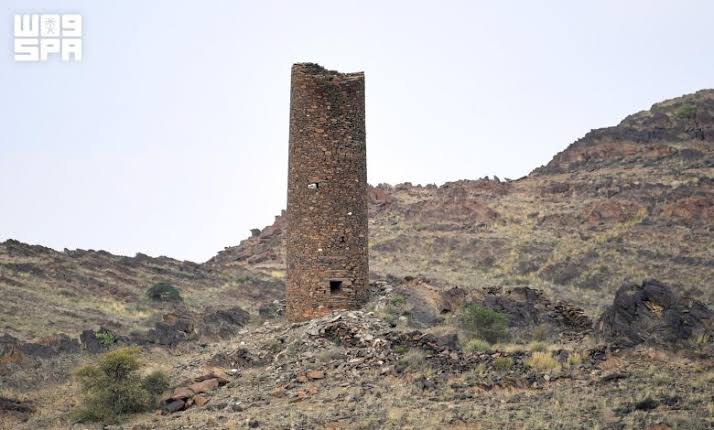
Both villages are home to enormous archeological sites, including fortresses, ancient buildings, Al-Khulaf historic mosque that reflects a unique architectural model and Djeifqa well, located 100 meters west of the village near the foot of the mountain on which Al-Khulaf village is situated. Although it has been covered by a heavy stone, the well has not been buried yet.
Researchers attribute the reason for naming the well as Djeifqa to the fact that the area enjoys a water-rich soil. To the mountain side, the well has an opening for maintenance work connected to a tunnel that links the well to a now-wiped-out residential neighborhood.
The walls of the two villages are inscribed with 27 ancient writings that stand as testimony to an era that extended from the first half of the 3thd century to the second half of the 5th century AH. All are inscribed by various styles of Kufic script; from square to foliated to floral. There are also many cemeteries in both villages.
The villages of Al-Khulaf and Al-Khulaif were not mentioned in ancient geographical sources due to their distant location from trade routes and convoys. However, they were mentioned in some sources highlighted by some inscriptions of the names of deceased men and women on some of their walls.
Words: 356
Reading time: 2 min
Sources & references
This content has been prepared through an encyclopedic editorial process based on internal review and diverse knowledge sources, with rewriting and structuring in line with Qpedia’s editorial methodology. If there are concerns regarding attribution or additional source documentation, the editorial team may be contacted for review.

Related topics
6


Editorial contribution
Do you have a verified addition related to this content?
If you have a verified scholarly or knowledge-based addition, or an editorial correction supported by a source, you may share it with the Qpedia editorial team. All submissions are reviewed according to our editorial and publishing policy before approval.